

 立即加入
立即加入 Binance Hot Wallet Hacked: What Happened, Impact & Recovery Insights
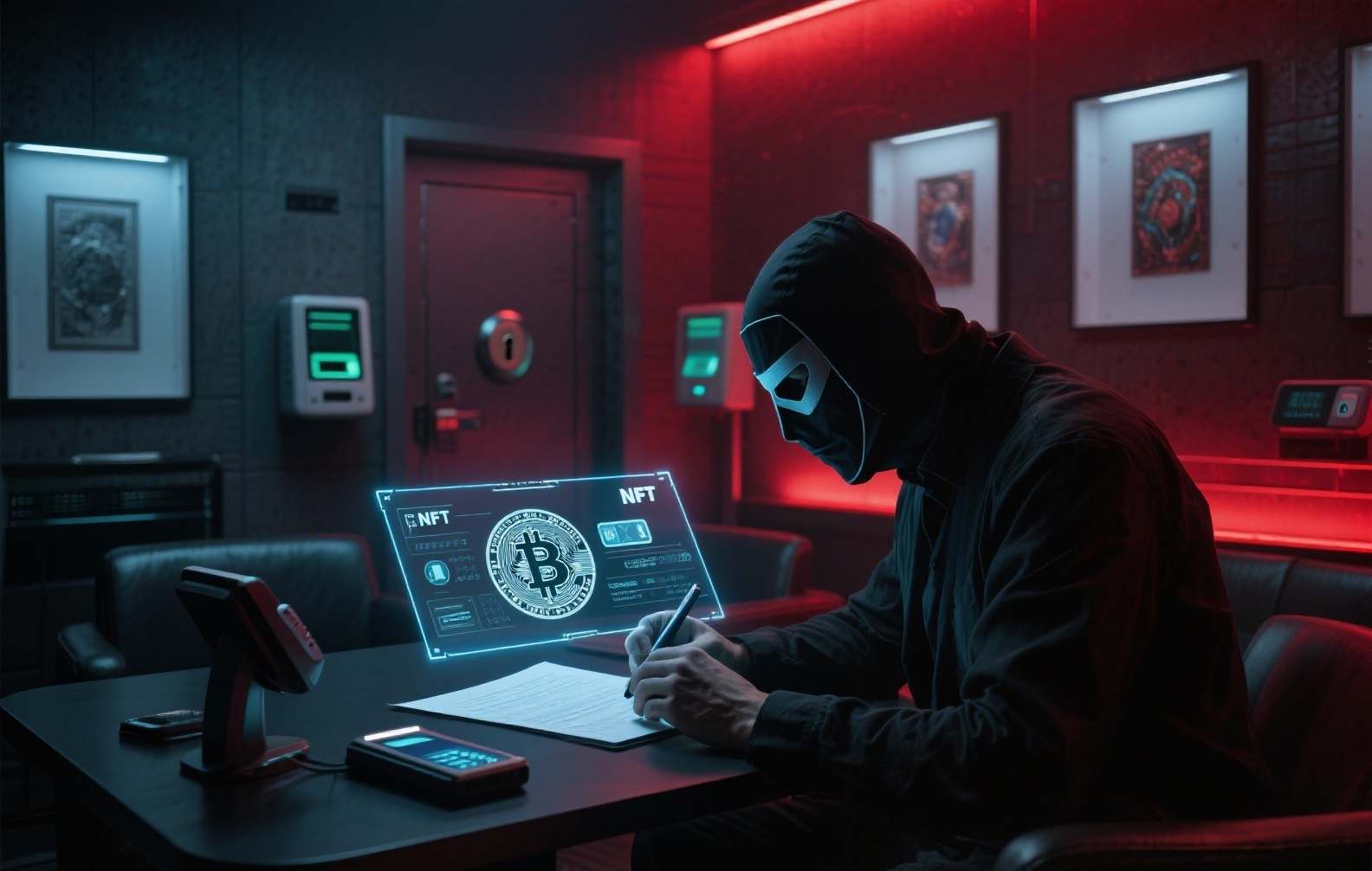
On October 6, 2022, Binance, the world’s largest cryptocurrency exchange by trading volume, disclosed a security breach involving its hot wallet. The incident resulted in the theft of approximately $570 million worth of BNB tokens, making it one of the largest crypto hacks in history. For users and investors, understanding what a hot wallet attack means, how Binance responded, and what it reveals about exchange security is critical.
A hot wallet is a cryptocurrency wallet that is connected to the internet, allowing for rapid transaction processing. Exchanges like Binance rely on hot wallets to handle daily withdrawals and deposits. However, because they are online, they are more vulnerable to hacking than cold wallets, which are stored offline. In this case, the attacker exploited a vulnerability in the BNB Chain’s cross-chain bridge—a tool that allows assets to move between different blockchains. By crafting fake transactions, the hacker was able to withdraw BNB tokens from the hot wallet system.
Binance’s immediate response was firm and decisive. The exchange paused all withdrawals and deposits on the BNB Chain, contacted validators to freeze the affected smart contract, and launched an internal investigation. Within hours, Binance CEO Changpeng Zhao announced that the incident was contained, with approximately $100 million of the stolen funds recovered or frozen. The exchange also absorbed the remaining loss through its Secure Asset Fund for Users (SAFU), meaning no user funds were directly impacted.
Despite Binance’s swift action, the hack sent shockwaves through the crypto market. BNB’s price dropped by about 4% in the immediate aftermath, and broader market sentiment turned cautious. The event also reignited debate about the risks of centralized exchanges and the security of cross-chain bridges, which have become a common target for attackers. According to blockchain security firm Chainalysis, cross-chain bridge hacks accounted for nearly 70% of all stolen crypto funds in 2022.
For users, the Binance hot wallet hack serves as a powerful reminder of the importance of self-custody. While Binance reimbursed affected users from SAFU, not all exchanges have such a fund. Holding large amounts of crypto on any exchange carries inherent counterparty risk. Best practices include using hardware wallets for long-term storage, enabling two-factor authentication, and only keeping a minimal balance on exchanges for active trading.
From a technical perspective, the Binance hack also highlights the evolving nature of blockchain security threats. The attacker used a sophisticated technique to forge proofs and pass them through the bridge’s validation logic. This type of attack is difficult to prevent without rigorous code auditing and real-time monitoring. In response, Binance has since upgraded its security protocols, including conducting multiple security audits of the BNB Chain and increasing the number of validators required to approve cross-chain transactions.
In conclusion, the Binance hot wallet theft was a major event that tested the resilience of the world’s leading exchange. While the immediate financial damage was contained, the incident underscores systemic vulnerabilities in the crypto ecosystem. For investors, it reinforces the mantra: not your keys, not your coins. For the industry as a whole, it calls for stronger bridge security, better incident response plans, and greater transparency from exchanges regarding their wallet management practices.

发表评论